The structure of folktales

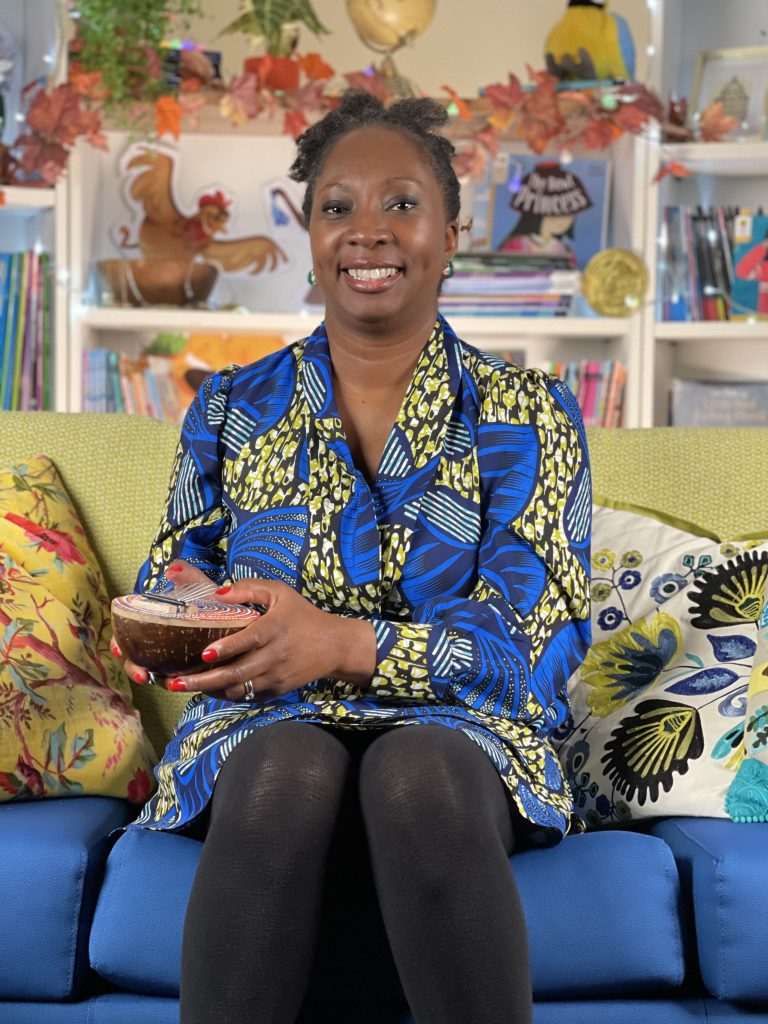
Wendy Shearer filming traditional tales - OUP

I was ecstatic to receive a place on a week’s intensive course: Storytelling in Communities’. This was held in Gouda, The Netherlands and run by Story Bag  with Peter Fruhmann. During the first day or so, we looked in detail at the structure folkstale.  

The structure of a folktale typically follows a memorably pattern that can be passed down orally through generations. You begin with the:

  • Set up context to establish characters, time, place and landscape.
  • Introduce a problem or conflict which may involve supernatural elements, magic and moral dilemmas.
  • Increase the action where your main characters face tests (often in 3s) and get the chance to respond to these. They may receive help from wise elders or magical beings. Clues may appear that they ignore or follow up as the tension builds.
  • A confrontation or reversal in fortune may occur where your characters face their main conflict.
  • The resolution is where the problems are solved and your main character has restored balance.
  • The end will offer a lesson or wisdom for listeners to take away from the folktale.

As an Oral Storyteller who specialises in telling African and Caribbean folktales, I focus on including culturally rich storytelling traditions when preparing and telling my stories. This will involved ‘call and response’, rhythm and rhymes, repetition, traditions and rituals. 

Check out my books if you’d like to read any of the stories I’ve written.